★★★☆☆3.9(317 reviews)
Coloring Embroidery Design Review for Real Projects
First Impressions: A Playful and Versatile Machine Embroidery Design
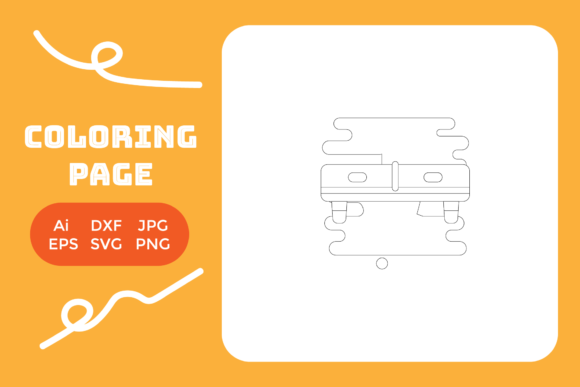
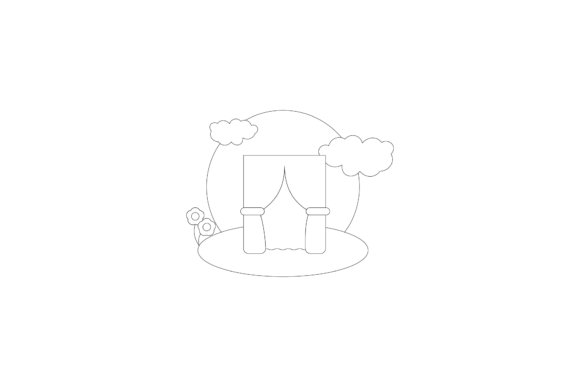
When I first opened the Coloring embroidery file, I was immediately drawn to its clean layout and soft, inviting shapes. This design carries a gentle and artistic mood that feels like it belongs in a world of creativity and customization. It’s not just another pattern; it has a visual personality that suggests it could work well on both personal and commercial projects. The canvas size of 1920 px X 1280 px gives you a generous space to explore how the design will scale onto different items. Whether you're working with an embroidery patch, a tote bag, or even a sweatshirt, this dimension allows for flexibility without overwhelming the fabric. The design is available in six common digital embroidery file formats—AI, EPS, SVG, DXF, JPG, and PNG—which means it can easily be adapted into your workflow, depending on whether you're using vector software for editing or raster files for previews and mockups. From a layout perspective, Coloring strikes a balance between detail and simplicity. It doesn’t demand high stitch density in every area, which is a big plus for hobbyists and professionals alike who want to avoid over-stitching issues. The overall shape and flow make it feel at home on curved surfaces like caps or flat areas like pillow covers. Its theme leans toward the whimsical but remains elegant enough for boutique branding or personalized gifts.Real-Life Use Scenarios for Coloring
Let’s say you’re preparing a custom embroidered sweatshirt for a client's small shop product line. You’d want something that stands out but still maintains a handmade charm. Coloring fits right in here. When stitched with the right thread colors, it adds a subtle yet noticeable pop of character. It works especially well with light-colored fabrics where the contrast can be fine-tuned to match the brand’s aesthetic. For handmade products, such as baby clothes or holiday gifts, Coloring offers a great opportunity to add a creative touch without being too busy. The lines are smooth and intentional, making it ideal for satin stitch applications where clarity and definition matter. It also lends itself nicely to fill stitch variations if you want to play with textures or color blocking. If you're an Etsy seller or run a craft fair stall, this design can become part of your signature look. Its visual appeal is strong enough to catch attention but not so complex that it becomes a liability during production. You can confidently use it on tea towels, aprons, or even decorative accents for nursery decor. The key is choosing the right placement and ensuring the design complements the item rather than competes with it.How Coloring Enhances Visual Appeal and Brand Consistency
What I appreciate most about Coloring is how it enhances the visual appeal of a finished product. The soft curves and balanced composition give it a modern, almost minimalist vibe that aligns with current trends in custom apparel and personalized gifts. It’s the kind of design that makes customers pause and consider what message it might carry. As someone who often creates printable mockups for digital product sellers, I found that Coloring looks professional in both black-and-white and full-color previews. That versatility helps build customer trust when showcasing your design assets online. If you’re selling digital embroidery files through your own shop or on Etsy, this kind of adaptability can increase buyer engagement and reduce return requests. In terms of brand consistency, the design has a unique style that can be repeated across multiple items—think matching tote bags and aprons for a lifestyle brand. It doesn’t scream loud, but it’s memorable, which is perfect for creating a sense of recognition among repeat buyers.Where to Use Coloring with Caution
Despite its strengths, there are situations where Coloring needs more careful consideration. For example, if you plan to embroider it onto stretchy or thin fabrics, you’ll need to test it thoroughly. Stretchy materials can distort the design unless you adjust the stitch density or choose a compatible machine setting. Also, keep in mind that the design includes some detailed corners and smaller elements. These may not hold up well on very small hoop sizes or on textured fabrics like denim or canvas. Always inspect these details before finalizing a project, especially if the design is going to be used on an embroidered patch or any small shop product. On dark fabric backgrounds, the design might lose some of its charm unless you have access to lighter thread colors. I recommend doing a quick comparison on both light and dark samples to see how the thread colors interact. Additionally, if the design is being applied to layered garments or frequently washed items, ensure the stabilizer is appropriate to maintain its integrity over time.Designer Notes for Using Coloring Effectively
Before diving into a real project, I always suggest testing Coloring on scrap fabric. This step lets you see how the stitch density holds up and gives you a chance to experiment with thread combinations. Don’t forget to check the recommended hoop size—if it’s not listed, do your own measurements based on the largest element. Here are a few practical tips to keep in mind when working with Coloring:- Test on similar fabric: Especially if you're planning to use it on stretchy or textured materials.
- Adjust stitch settings: Look for areas with dense stitches and modify them if needed to prevent puckering or distortion.
- Use proper stabilizer: This ensures the design stays intact during and after stitching, particularly on delicate or wash-prone items.
- Review thread color contrast: Make sure the design is visible and legible on your chosen background fabric.
- Inspect small details: Check how tiny elements appear after stitching, especially if you're aiming for a polished handmade product.
- Confirm licensing: If you're an embroidery designer or digital product seller, verify whether you can use Coloring for commercial purposes before listing it on marketplaces or shops.
Final Thoughts from the Field
I’ve used many machine embroidery designs over the years, and Coloring stands out for its thoughtful layout and adaptable nature. It’s not a one-size-fits-all solution, but with the right preparation, it can become a valuable asset in your collection of embroidery project ideas. Whether you're looking to create a cozy pillow cover for a customer or a set of branded cap embroidery pieces for your craft business, this design brings a level of professionalism that elevates the finished product. Just remember to take the time to understand its nuances, and it will serve you well in a variety of real-life embroidery scenarios.Why I Recommend Coloring for Your Next Project
Because of its balance between detail and simplicity, Coloring is suitable for both beginners and seasoned embroidery designers. It’s a design that encourages experimentation while maintaining a cohesive and appealing look. As long as you approach it with a bit of care and attention to the specifics of your embroidery project, it can help you deliver products that are visually engaging, professionally stitched, and loved by your customers. So next time you’re brainstorming for a new holiday gift or personalized product, consider adding Coloring to your list. With a little prep and the right application, it can turn your ideas into standout creations.
⬇️ Download Free
Free download · No sign-up required
🔗 You Might Also Like
Coloring Pages Amp
As a professional graphic designer, I often find myself vetting design assets to...
Coloring Pages Amp
As a brand designer and content marketer with years of experience in creating vi...
Coloring Pages Amp
A Soft and Inviting First Impression The Coloring Page - House Curtains Cloud im...
Coloring Pages Amp
A First Impression That Sparks Creativity The Coloring Page - House Curtains Sun...

Coloring Pages Amp
How This Design Supports Stronger Campaign Visuals Hero Graphics: Use it as a ba...
