Easter Egg Style Jagged Edge – A Playful Graphic Freebie for Creative Sellers
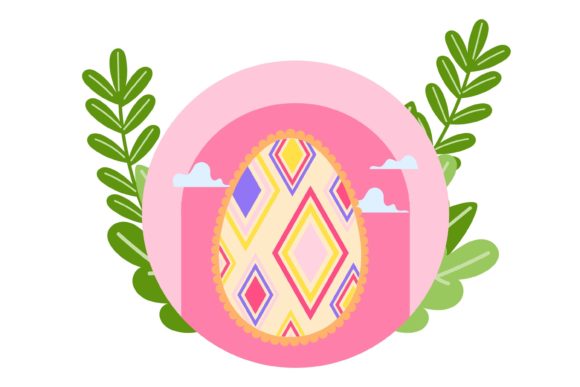
As an experienced digital product creator who frequently evaluates design assets for commercial use, I recently came across the Easter Egg Style Jagged Edge. This graphic freebie immediately caught my attention with its whimsical yet structured edge pattern. It’s the kind of asset that brings a subtle pop to any design while still maintaining a level of sophistication that works well in professional settings.
First Impressions and Niche Appeal
The first thing I noticed about this design is its visual character — it feels festive but not over-the-top, making it ideal for springtime or Easter-themed products. The jagged edges suggest something handmade or crafty, which can be appealing to audiences who gravitate toward handmade businesses or small business branding with a personal touch. At the same time, the clean vector construction keeps it modern and adaptable for print-on-demand platforms or digital downloads.
I’d say the mood is playful and slightly nostalgic. It doesn’t scream “holiday,” but it definitely hints at it. That makes it versatile enough to work in seasonal bundles without being too literal. For Etsy sellers or Canva template creators, this could serve as a nice background element or decorative border that adds just the right amount of charm.
Real-World Applications for Commercial Use
Let’s get practical. Here are some of the ways I see the Easter Egg Style Jagged Edge fitting into a creative seller's workflow:
- Svg designs for Cricut or Silhouette projects — great for layered cards or scrapbooking kits.
- PNG graphics used as printable wall art or planner stickers — especially if you want to give them a soft, handcrafted look.
- Clipart bundles aimed at educators or children’s activity designers — perfect for themed lesson plans or holiday crafts.
- Sublimation designs on mugs or tumbler wraps — the pattern won’t overwhelm but will add texture and interest.
- T-shirt graphics with a minimalist approach — pair it with a bold color scheme or soft pastels depending on your target audience.
- Digital paper packs for planners or journaling — it brings a festive edge without distracting from content areas.
- Canva templates for social media posts or blog headers — useful for adding subtle decoration to text-heavy layouts.
- Merchandise mockups for Etsy or Shopify stores — it enhances product presentation by suggesting a tactile, crafted finish.
One thing I appreciate is that it’s not limited to one platform or style. Whether you’re working on greeting cards, invitation templates, or promotional visuals, this design has potential uses across multiple formats.
Testing Before You Sell
Before using this design in your listings, there are a few things I recommend testing:
- Mockup previews: Place the design on actual product mockups (like a tote bag or mug) to see how it translates in context. This helps identify scaling issues or visual clashes.
- Thumbnail appeal: Resize the PNG to a small thumbnail size to check if it retains clarity and charm. If it loses detail, it might not perform well on marketplaces like Etsy.
- Background compatibility: Try it on both white and dark backgrounds to ensure it maintains good contrast and visibility. Some patterns can fade out on darker tones.
- Print quality: Test print colors on different materials to make sure the vibrancy holds up, especially if you plan to sell physical items.
- Cutting precision: If using the SVG or DXF files for Cricut or laser cutting, inspect the cut lines for accuracy and smoothness.
- File resolution: With a canvas size of 3000px x 2000px, you have plenty of room for resizing, but always confirm that the final output meets the minimum requirements of your selling platform.
Where It Shines
This asset really comes into its own when used in large product previews or themed bundles. Its scale allows it to become a focal point rather than a background detail, which is helpful for visual storytelling and brand consistency.
It also works beautifully in decorative layouts where a bit of texture or irregularity is welcome. Think nursery prints, handmade product listings, or even packaging design for small gifts. The jagged edge gives a sense of hand-cut paper or artisanal feel, which many customers find appealing in the creative marketplace.
Use With Caution
While this design is versatile, it’s not without limitations. Here are a few scenarios where I’d suggest using it carefully:
- Tiny sticker details: The jagged edge might become too busy or lose definition when scaled down.
- Overly complex layouts: Don’t layer it on top of intricate illustrations unless you're intentionally going for a textured, vintage aesthetic.
- Low-resolution print products: If you’re printing on fabric or vinyl, ensure the design remains legible and crisp at the intended size.
- Crowded thumbnails: Avoid using it in cluttered marketplace images where it might compete with other elements for attention.
- Dark backgrounds: As mentioned earlier, the design may require adjustments in color or opacity to maintain visibility.
- Text-heavy templates: It’s best to keep the pattern subtle so it doesn’t distract from important text or logos.
- Clean cutting lines: If you need precise, sharp cuts for die-cutting or engraving, double-check the file structure before finalizing your project.
Design Pairings and Branding Considerations
One of the strengths of this design is its adaptability in terms of typography. I tested it with various fonts and found it pairs well with:
- Serif fonts: Adds a classic, elegant touch to more traditional designs.
- Sans serif fonts: Keeps the layout modern and easy to read.
- Script or handwritten fonts: Enhances the handmade vibe, especially in greeting card or stationery applications.
- Display fonts: Works nicely as a supporting element behind bold statement titles.
For brand identity purposes, it fits neatly into a spring-inspired or whimsical visual hierarchy. It can subtly reinforce themes of creativity, celebration, or nostalgia, depending on how it’s styled.
Commercial Licensing and File Organization
Since this is a graphic design asset labeled under freebies, it’s crucial to verify whether it includes a commercial license for resale or merchandise production. Always read the fine print — some free assets come with restrictions, such as not allowing resell of the original file, only the finished product.
Also, take note of the file types included: AI, EPS, SVG, and DXF. These are all editable vector formats, which is a big plus for customization. When preparing a digital download or organizing a design bundle, consider clearly labeling each format and providing usage instructions to help your buyers avoid confusion.
Final Thoughts for Digital Product Creators
The Easter Egg Style Jagged Edge is a solid addition to any graphics collection, especially for those targeting seasonal markets or crafting communities. It offers a balance between playfulness and professionalism, making it suitable for both print-on-demand shops and digital product offerings.
Its strength lies in subtlety — it enhances without overwhelming, which is key for building customer trust through consistent, high-quality visuals. However, like any asset, it requires thoughtful placement and testing to ensure it supports your product goals rather than detracting from them.
If you're looking to elevate your next product listing or create a cohesive seasonal collection, this design is worth considering. Just remember to test it thoroughly and adjust based on your specific needs and audience preferences.